The safety valve is a vital component for pressure vessl and reactors for security ensure.
I The basic knowledge of safety valve
1.1 Working principle:
The setting pressure of safety valve is greater than or equal to the equipment working pressure.
When the work pressure higher than the setting pressure, the valve release the excess pressure and closes automatically after the pressure returns to normal. So, it could ensure the reactor , especially the
high pressure reactor work under setting pressure.
1.2 Classification:
Elastic element safety valves,
Active safety valves,
Low pressure safety valves,
Ultra low pressure safety valves.
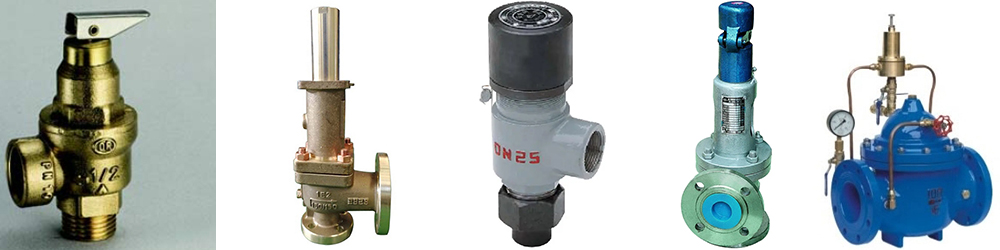
II Info needed for valve selection
2.1 Basic info
Opening pressure, medium, temperature
2.2 Other parameters required:
2.2.1 Safety valve produce standards
GB/T
Asme I
ASEM VIII
API
2.2.2 Flange Standards
GB9113-2005
JB79-94
HG20592-2009
HG20615-2009
SH3406-96
ANSI B16.5
2.2.3 Parameters
Maximum flow rate of a single safety valve (kg/h)
Design pressure of vessel or pipeline MPa
Normal working pressure of vessel or pipeline MPa
Setting pressure of safety valve MPa
Outlet pressure of safety valve (i.e. back pressure) MPa
Allowable overpressure (%)
2.2.4 Medium Feature
Toxic
Corrosiveness
Temperature
2.2.5 Flange surface connection form required by the valve:
The solid mechanical part
Concave-convex surface connection
Mortise surface connection
Ring connection surface
III Notes
3.1. For corrosive medium, safety valve shall be installed in combination with bursting disc
3.2. For highly toxic medium, safety valve type with good sealing property shall be selected
3.3. For high temperature medium, high temperature has great influence on spring, and spring safety valve shall be avoided
3.4. For important safety valve or safety valve vulnerable to fire, spray protection shall be set
3.5. For safety valve for spherical tank, double safety valve shall be installed, and the pressure relief capacity of any safety valve shall be All can meet the safety pressure relief requirements of spherical tanks.
3.6. The safety valve should be set with electrostatic crossover.
3.7. In order to prevent the safety valve from repeatedly opening and closing, causing flutter and damaging the valve, it is necessary to reduce the pressure drop of the inlet pipeline of the safety valve, that is, increase the inlet diameter and shorten the inlet pipe section.

